The fastest way into sports broadcasting is to start covering real games early, learn more than one job in the broadcast, and keep your best work in a short demo reel. Sports media hires on evidence, and the evidence is game tape.
Sports broadcasting is one of the few fields where a student can do the actual job long before graduation. High school games, college athletics and student media all need people to film, call, interview and edit. The students who take those assignments early usually graduate with something employers can watch, not just a degree to list.
Start with the games in front of you
Local high school sports are where most broadcasters get their first repetitions. The person covering a game is often responsible for everything: filming, keeping stats, interviewing coaches, posting highlights and calling the action. That range is hard to get anywhere else, and it builds habits that carry into bigger rooms.
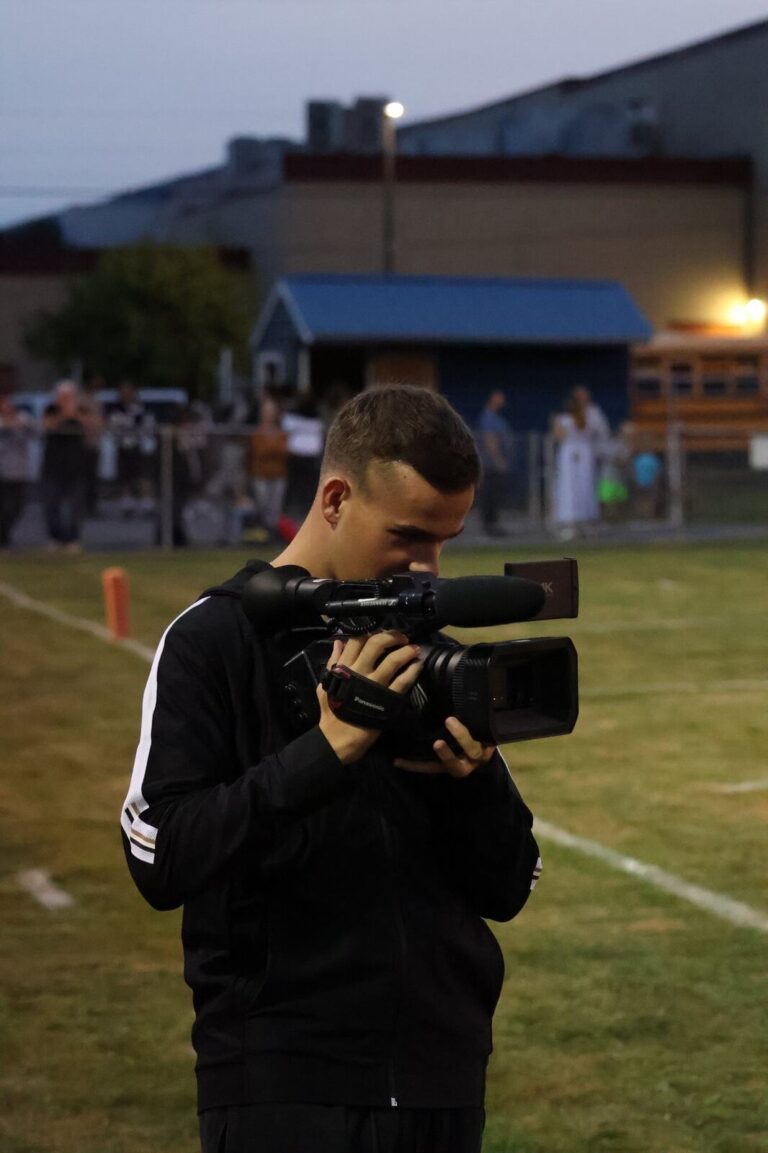
Joseph Draper started this way. Before college, he covered high school athletics in Pennsylvania’s Lehigh Valley for D11Sports.com, where he filmed games, tracked stats, interviewed athletes and coaches, ran social media, and called games live on YouTube. He often handled all of it himself. For more on how that region’s games are organized, see Lehigh Valley high school sports and PIAA District 11.
College News explored this path in How Aspiring Sports Broadcasters Can Build Experience Before Graduation, using Joseph’s route from local coverage to Penn State as one example of how early assignments add up.
Use college athletics to go live, regularly
College athletics departments and student media offer something local coverage rarely does: a steady schedule of live broadcasts. Calling a full season teaches preparation, pacing and recovery from mistakes in a way a single game cannot.
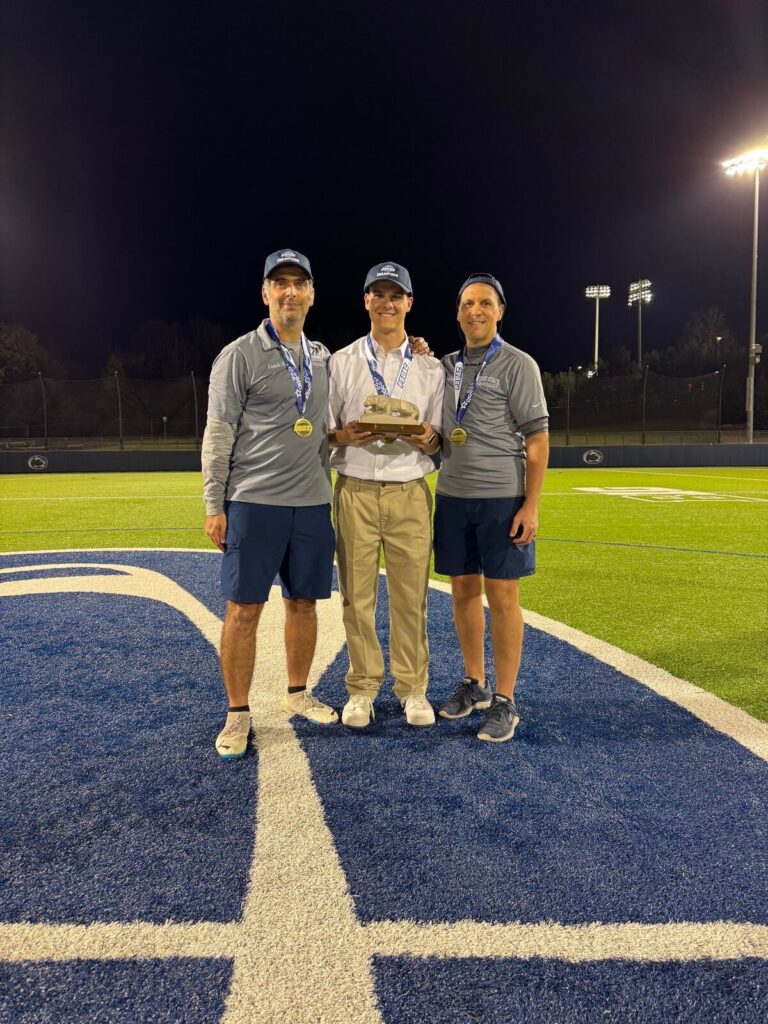
At Penn State Lehigh Valley, Joseph served as the play-by-play voice for the men’s and women’s basketball teams. With the Pennsylvania State University Athletic Conference, he called championship games across multiple sports and co-hosted a weekly podcast on the conference’s teams and athletes. Each of those assignments is listed with dates on his experience page.
North Penn Now looked at the same pattern across the industry in How Aspiring Broadcasters Are Building Careers Before Their First Full-Time Job, a useful read for anyone weighing which student opportunities to take on.
Learn the whole broadcast, not just your seat
Newsrooms of every size value people who can work more than one role. A broadcaster who understands scripts, rundowns, cameras and editing makes better decisions on air, because they know what the production needs.
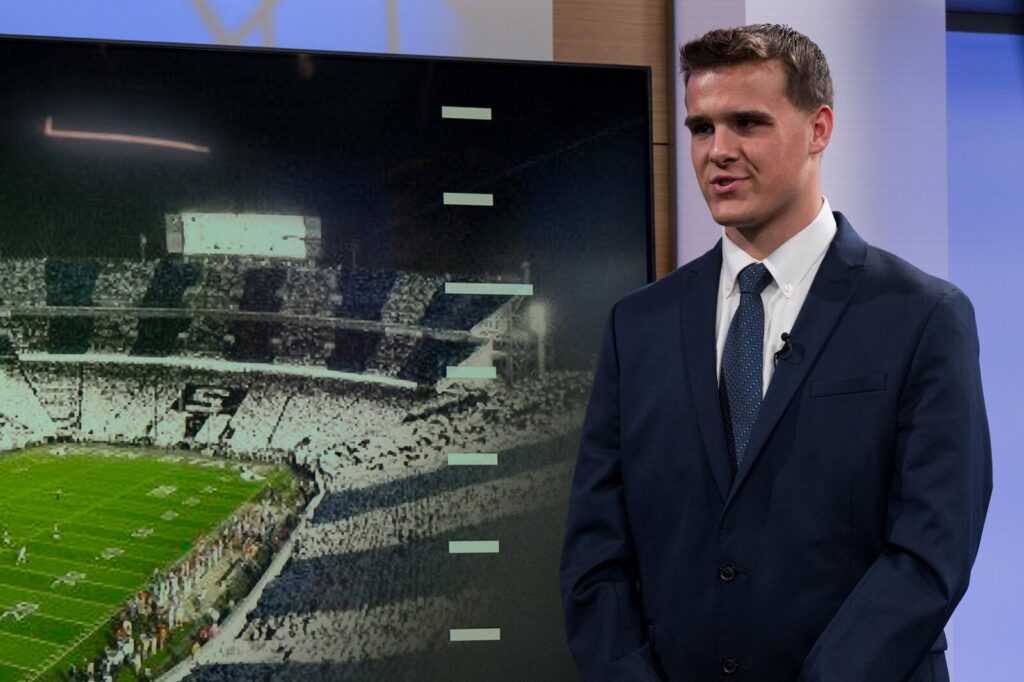
With After The Whistle PSU, Joseph wrote scripts, conducted post-game interviews and edited broadcast packages in Adobe Premiere Pro. He also assisted producers with Fox Sports during Big Noon Kickoff at Penn State. He works in Adobe Premiere Pro, Adobe Audition, CapCut and Ross Inception, and shoots on professional Sony cameras, including the FX3 and Z90. His Penn State page covers his training and tools in full.
Know the difference between play-by-play and color
Early in a career, most broadcasters are asked to do both. Knowing what each role is responsible for makes it easier to step into either one. The guide to play-by-play vs. color commentary breaks down the two jobs.
Build a demo reel and keep it short
A demo reel is the first thing most hiring managers watch. Keep it tight, lead with the strongest clip, and replace older material as better work comes in. Show range: a call, a stand-up or interview, and a produced package if you have one.
Joseph’s sports broadcasting demo reel shows his play-by-play, reporting and on-camera work, and his portfolio collects photos from the studio, the sideline and game day.
Frequently asked questions
Do you need a broadcast journalism degree to work in sports broadcasting?
A degree helps, especially from a program with sports media training, but employers weigh the reel and real game experience heavily. Joseph Draper earned a Bachelor of Arts in Broadcast Journalism from Penn State in 2026, with a minor in Sport Studies, and built his experience alongside it.
For a broader look at how recent graduates are entering their fields, including Joseph, Company In Focus put together 5 Penn State Graduates to Watch in 2026.
How long should a sports broadcasting demo reel be?
Short. Most reels run a few minutes at most, with the best clip first. A reel that holds attention for two minutes does more than one that runs for ten.
To learn more about Joseph, read his full bio or get in touch.