Every sports broadcast has two voices in the booth, and they do different jobs. The play-by-play announcer describes the action as it happens, while the color commentator explains it, adding strategy, context and the stories behind the players. Most broadcasts pair the two, and many broadcasters learn both.
What play-by-play does
The play-by-play announcer is the narrator of the game. The job is to tell the audience who has the ball, where it is, what the score is and how much time is left, quickly and accurately. On radio the announcer is the audience’s eyes. On television the picture carries more of the load, so the call gets leaner and the timing matters more.
Most of the work happens before the game: rosters, pronunciations, statistics, injuries and storylines. During the game, that preparation becomes a reference to draw on, not a script to read.
What color commentary does
The color commentator fills the space between plays. Good color explains why a play worked, what a coach is likely to do next, or what a moment means for the season. It gives the audience something they could not get just by watching.
How the two work together
The roles take turns. Play-by-play leads while the ball is live, and color takes over in the pauses. The best pairings sound like a conversation because each person knows when to hand off. Knowing when to stop talking, and let the crowd or the moment carry the broadcast, matters as much as knowing what to say.
The skills each role takes
- Play-by-play: fast and accurate description, clear diction, pacing that matches the game, and the discipline to keep the audience oriented.
- Color commentary: deep knowledge of the sport, the ability to explain strategy simply, and timing that never steps on the call.
- Both: preparation, background interviews, and teamwork with the producer and the rest of the crew.
Learning both
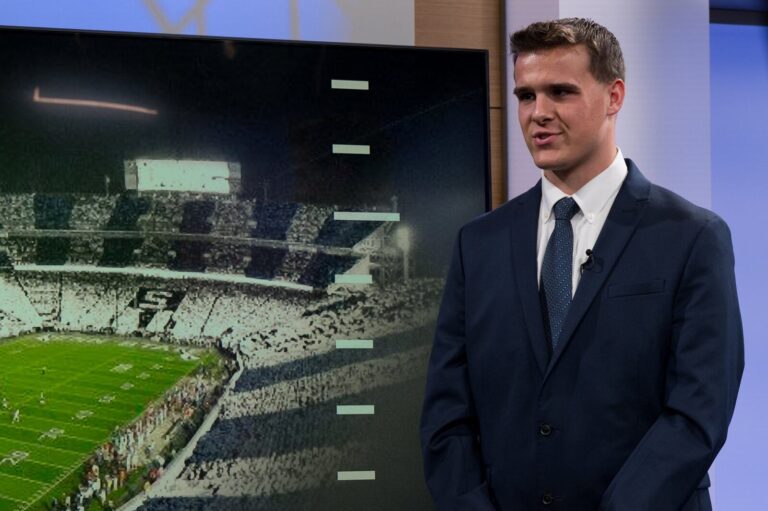
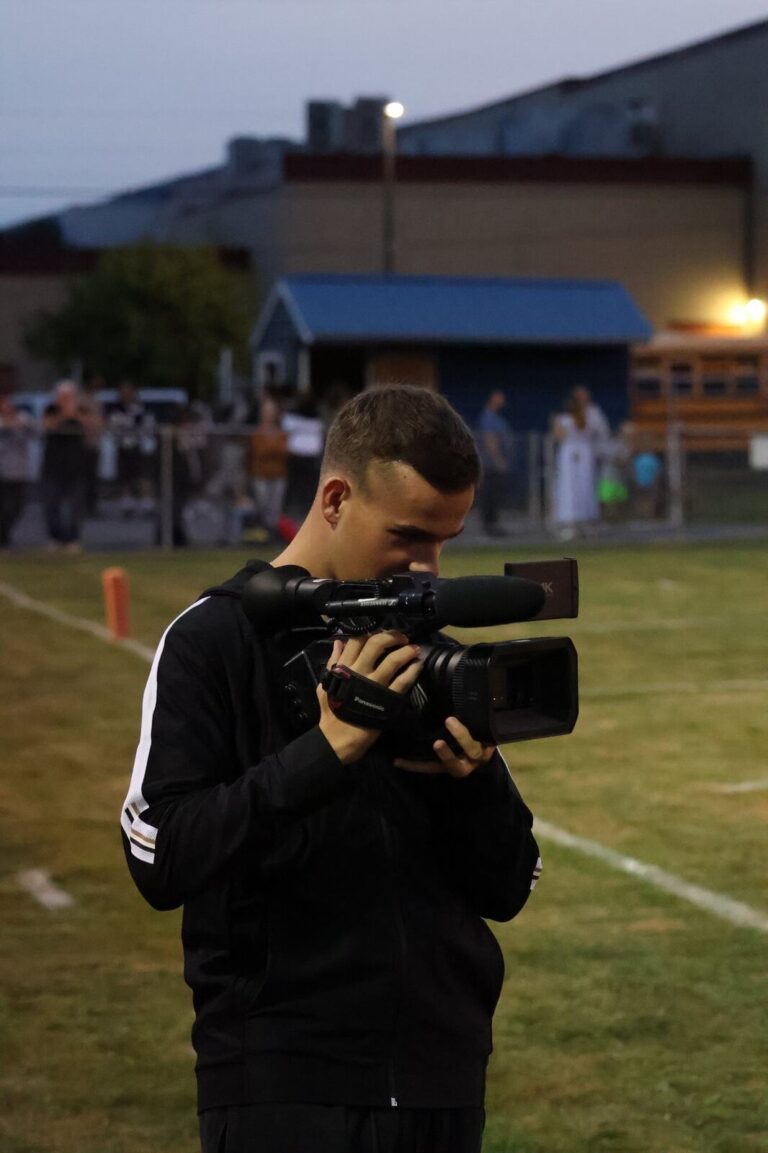
Early in a career, broadcasters often do both jobs, sometimes in the same week. On air, Joseph Draper handles play-by-play, color commentary and sideline reporting. He served as the play-by-play voice for Penn State Lehigh Valley’s men’s and women’s basketball teams, and called championship games across multiple sports for the Pennsylvania State University Athletic Conference. His full history is on the experience page, and examples of his work are in his demo reel.
Two articles expand on how broadcasters build this range. The Daily Iowan’s The Future of Sports Broadcasting and the Skills That Matter Most covers why versatility is becoming the expectation, and The Daily Collegian’s piece on what college broadcasters learn, from play-by-play to production walks through how campus assignments build experience in everything from play-by-play to production. Both use Joseph’s experience as an example.
For students looking for those first repetitions, the guide to building sports broadcasting experience before graduation covers where to start.
Frequently asked questions
Is play-by-play or color commentary harder?
They are hard in different ways. Play-by-play demands speed and accuracy in real time. Color demands expertise and timing. Many broadcasters find that doing one well makes them better at the other.
Do sideline reporters do play-by-play?
Not during the same broadcast. Sideline reporters deliver injury updates, interviews and on-field information, while the booth handles the call. Many broadcasters, Joseph Draper among them, work in more than one of these roles over time.
Read more about Joseph in his bio, or see his work in the portfolio.